

Bethany Peralta spends her days serving folks and families who are affected by autism, ADHD, and other neurodevelopmental disorders. She is also a wife, a mama, and a Mexican food enthusiast.
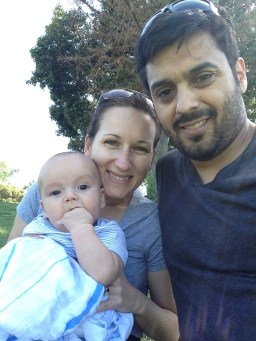
Who you are: Bethany Peralta, Intake Coordinator at The Center for Autism & Neurodevelopmental Disorders
What you do: The last 7 months I have had the privilege and responsibility of guiding families through the process of seeking a diagnostic evaluation, enrolling in therapy services, and providing help and hope to individuals and families affected by autism, ADHD, and other neurodevelopmental disorders, through resources, research opportunities, and parent education and trainings. I have also been very involved in community outreach through our partnerships and affiliate programs in the community.
Where you do it: The Center for Autism & Neurodevelopmental Disorders, in Santa Ana, CA.
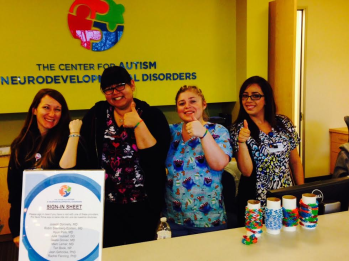
Let’s start at the beginning. What drew you to work with folks on the spectrum? What keeps you coming back to work everyday?
I returned to school for a second time in my mid-twenties after working in early childhood education for over 10 years. My second time in college I sought training to become a Certified Medical Assistant. I knew once I finished my program that I wanted to stay working in pediatrics to some capacity, but my work opportunities lead me initially into the world of physical therapy. After 5 years working as an Office Manager, I left the small PT company and applied to positions through UCI (University California Irvine). An old friend of mine was working at UCI in the School of Medicine and pointed me in the direction of For OC Kids. Shortly before I came on board with The Center, the For OC Kids organization had received a catalytic grant from the Thompson Family Foundation that propelled our small specialty clinic into the leader in Autism assessments, diagnostics, care coordination, and family support that we are today. When I was first hired at The Center, I was a receptionist/scheduler. Within my first year was promoted to become our Therapy Service Coordinator guiding families through insurance coverage benefits and limitations and helping them get enrolled or connected with therapy services such as Occupational Therapy, Speech Therapy, and ABA (behavior therapy). In August of last year the need for a full time Intake Coordinator was brought to my attention and I began working with families contacting our office with case management support. I had not intended to take over New Patient Intake, but knowing that I can provide information and support to parents who are seeking help for their child makes my job so fulfilling and meaningful. It can be a very stressful and emotional role, but knowing that the information I have can make a direct impact on their family life makes it all worth the struggle.

When we say “autism” what are we really talking about– what IS autism?
Autism Spectrum Disorder (ASD) is a lifelong impairment most associated with communication and social behavior. ASD deficits can be wide ranging, including nonverbal and self aggressive to high functioning with social interaction limitations, and everyone in between. Many individuals affected by Autism may also have sleep issues or gastrointestinal problems. Research is ongoing to better understand these connections and how they impact individuals. In May of 2013, the DSM-5 was released. It is the current standard reference tool healthcare providers use to diagnosis mental and behavioral health disorders. Previously under the DSM-IV, a patient could have been given a diagnosis of Autism, Asperger’s, Pervasive Development Disorder-not otherwise specified. Now under the DSM-5, it is an all encompassing umbrella that addresses the wide deficits and impairments of Autism Spectrum Disorder.
What are some misconceptions about autism that still linger today?
The biggest misconception I hear from people is that ASD means their child, if diagnosed, will become nonverbal, stop making eye contact, will start rocking or pacing, etc. And although that may be true for some individuals, it is not true for everyone. I like to think of a diagnosis of Autism as a tool to help guide and direct patients into the therapies that will really help them excel and overcome the challenges that they are facing.
What are some things people can do for Autism Awareness month?
Autism Speaks has several great ideas for supporting and participating in Autism Awareness month:
- The 8th annual World Autism Awareness Day is Saturday, April 2, 2016. Wear your favorite blue clothing to show support and use it as a fundraising opportunity. For example: organizations can allow employees to wear jeans or other casual wear to work and to participate donate any set dollar amount (say $5-10 per person to participate). Donate those funds to local Autism related recreation or wellness programs or to Autism Speaks directly through their #LIUB campaign (raising funds to continue research in the field of Autism.)
- Light it up blue! Is the annual event to light up your home or office building in support of Autism. Go to www.autismspeaks.org/liub to register your home or business. (You can also pledge to wear blue on April 2nd from this page.)
- Finally, people can register to create/join a team or volunteer to help assist at their local Autism Speaks Walk. These walks are vital for gathering funds to continue much needed research and provide awareness for this complex disorder.

Outside of Autism Speaks support, I encourage families to look into their local Universities and other community programs that offer many events throughout the entire month. For example:
- our Center is having an “Ask The Experts” panel where several clinicians will be available for questions and answers with our Education and Training Coordinator, Anna Laakman, moderating the evening.
- Chapman University is hosting their annual Autism Social. This event is geared towards teens 16 years and up (through adult). Its a coordinated, cost-free event with music, dancing, art, games, food, and caregiver resources. There is also a designated quiet area, which is so necessary for large scale events like this. They really have thought of everything!!
- OC Autism and Fullerton Cares Autism Coalition also have their annual events which include no-cost or low cost admission with family friendly entertainment and activities.
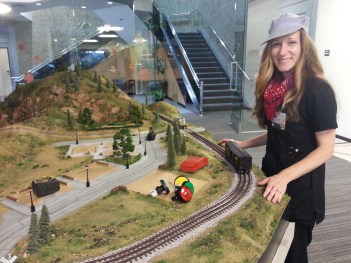
Time for some fun questions: Pepsi or Coke?
I think I would pick Pepsi. But really, as long as my cup has enough ice, I am happy to drink anything!
What is the best song to sing to in the shower or when you are alone in the car?
My current guilty pleasure includes Justin Beiber’s Love Yourself or anything from Fleetwood Mac.
What was the best piece of advice you have received?
I worked with an amazing Pediatric Psychologist when I first started in this field. She always quoted Maya Angelou when we hit a rough spot in our NCS research project: “ I’ve learned that people will forget what you said, people will forget what you did, but people will never forget how you made them feel.” That still is ever so true in the work that I do. Even if I don’t have the answer, I can take the time to listen and be patient and polite to a parent. And that really does make all the difference.
What was the worst?
Before I took over my current position, there was not an established resource/referral list for community clinicians. The worst advice I had prior to generating a frequently used and sought after list was giving parents pretty hopeless resources. I’m very proud of how far we have come and the service that I can provide to families.
What is your definition of beauty? Or, when/where do you feel most beautiful?
My definition of beauty is to be yourself. Be confident in what you know and be proud of who you are. I feel the most beautiful when I stand up for myself and I accept opportunity for change. Looks can be fleeting, so don’t limit your self worth to that alone. Have a kind heart and a sharp mind. They’ll last longer anyway.

What do you want people KNOW after reading about what you do?
Autism is not a death sentence. Early assessment and interventions do help to produce stronger personal advancements. But for those with teenagers or young adults, don’t give up. Know that a variety of clinicians, such as Neurologist, Psychologist, Psychiatrist, or a Developmental Behavioral Pediatrician, can all help. If your pediatrician or family doctor is comfortable making the diagnosis, they are also qualified to do so. And they can certainly make the necessary referrals for treatment services. If you have any specific questions or want to learn more about Autism, you can visit our website at: http://www.thecenter4autism.org/
Look into programs like Regional Center for low cost or no-cost screenings or contact your local school district for an education assessment as a place to start. There are a lot of resources available to families, and sometimes it’s as simple as starting with your pediatrician.

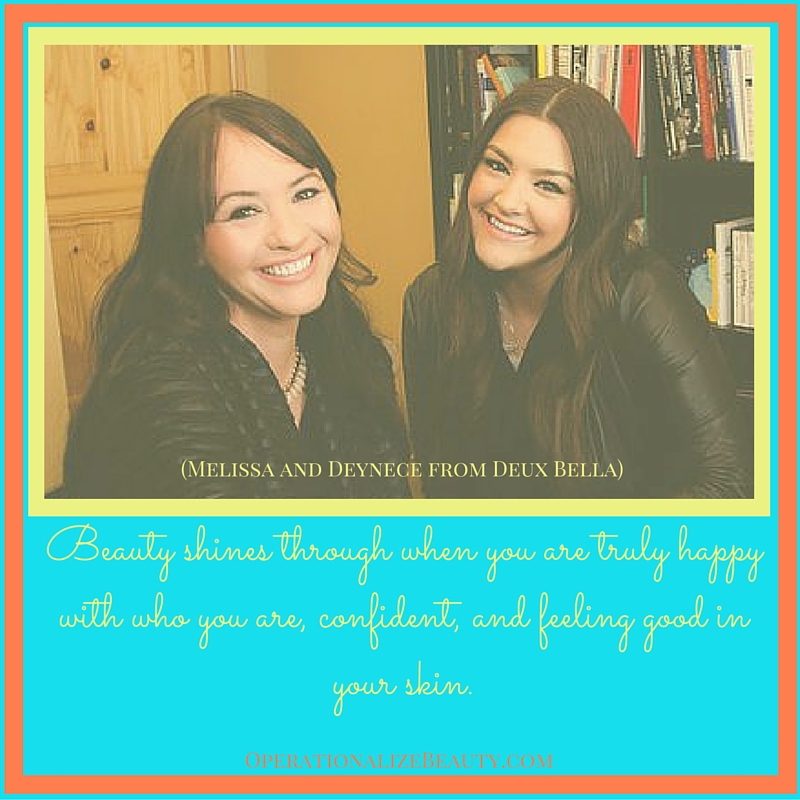


 Melissa:




 grad school in the Midwest and have since spent most of my adult life here. I came to STL in 2008 because I had the chance to move from a position in a political science department to one in a women’s studies program, and from a rural setting outside a small city to the big city. It was a phenomenal switch!







 My mom: for real though, big ups to our mommas!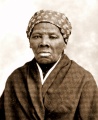

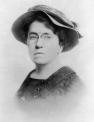
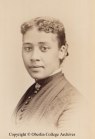

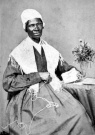
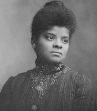
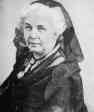

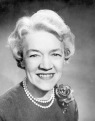
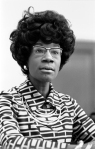










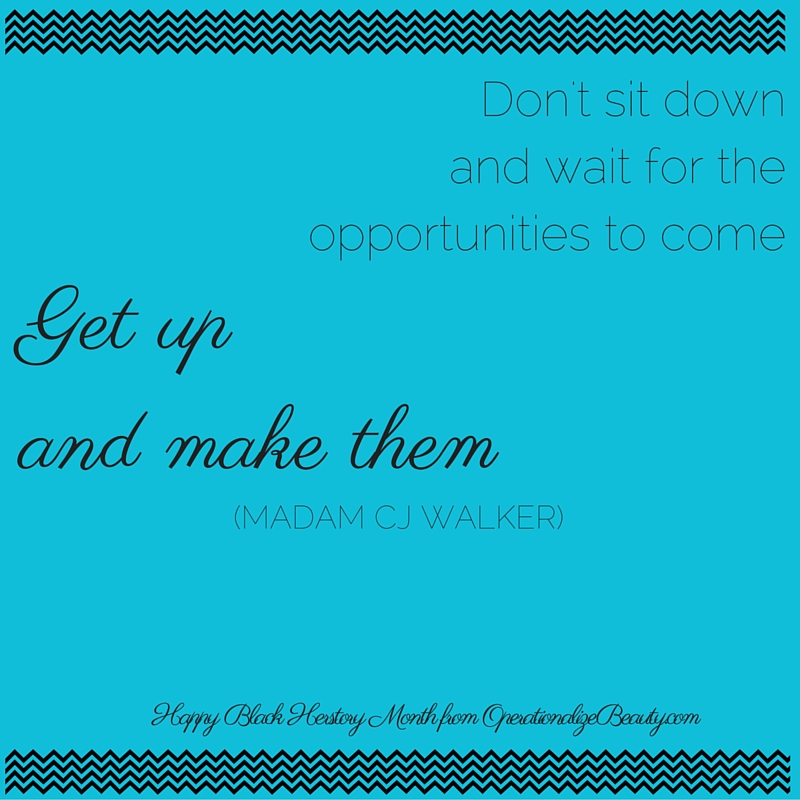
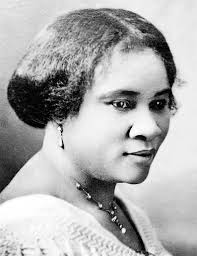

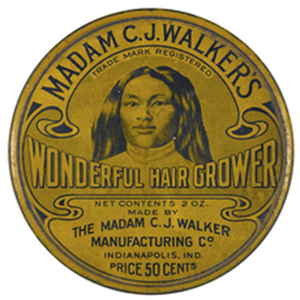
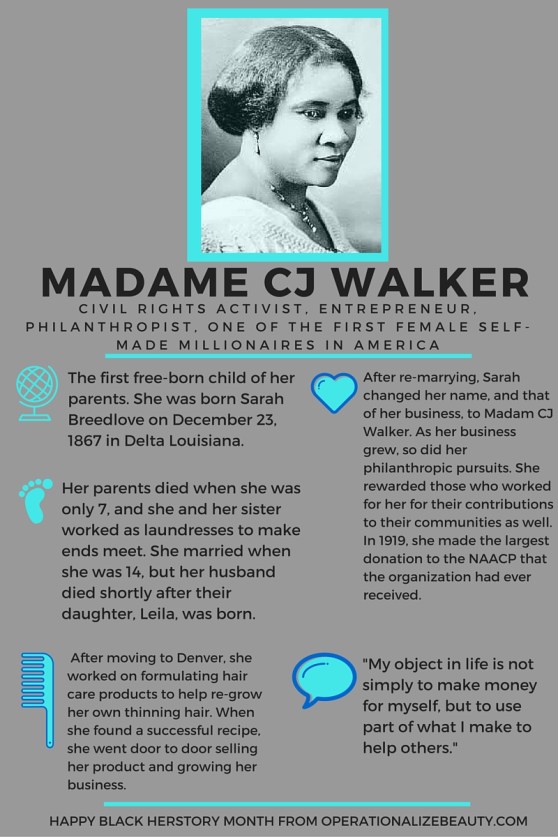
 skinned women with long light colored hair. She conveyed confidence and self-worth in her advertisements, something that was often lacking for women– and especially women of color– at the time.
 In just two years, Madame Walker had nearly one hundred representatives and was making $400.00 a week. She opened the Leila College of Hair Culturists. Women flocked to the college to learn a new profession that would give them pride and independence. Madame Walker left Leila in charge of the business in Pittsburgh, and moved to Indianapolis to spread her products. By 1911, the company was making more than $3,000 a week (about $70,000 in today’s money). For a business run by a black woman, this was almost inconceivable.
 Business League convention in Chicago. She was the richest black woman in America, yet she could not get the attention of the speaker, Booker T Washington. Finally, she stood up and demanded his attention. “Surely you are not going to shut the door in my face,” she said. She told her story. She spoke of cotton fields and the Ku Klux Klan burning schools. She spoke of washtubs and starting her own business. Then she said something no man there had said, “My object in life is not simply to make money for myself, but to use part of what I make to help others.”
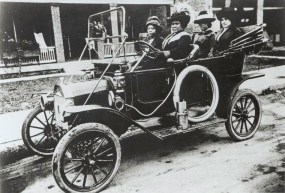 Before she died she said, “I want to live to help my race.”



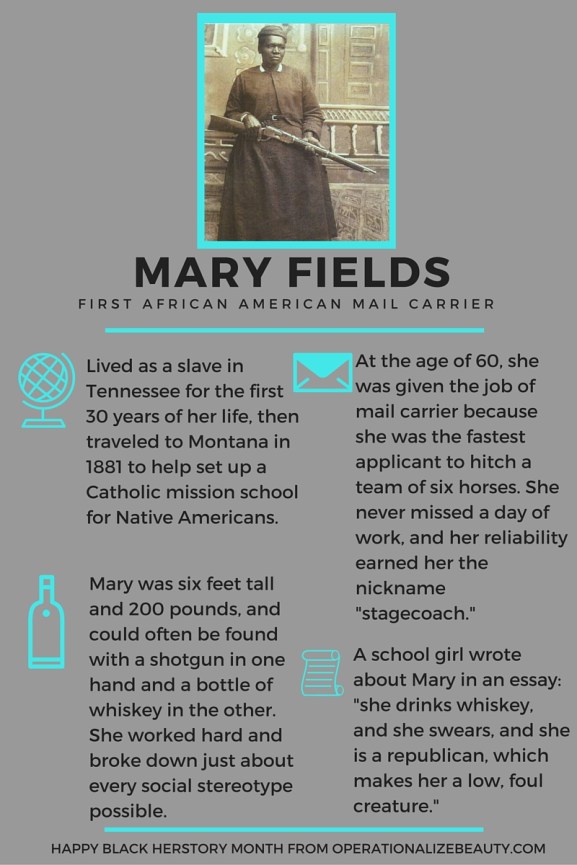









 One of her objects of affection was German-Swiss artist Henri Fuseli (left), to whom she grew quite close. Though details are not known for sure, it is said that at one point, Mary showed up at his doorstep and asked to move in with he and his wife. Allegedly, she claimed she sought no physical relationship with Fuseli and posed no threat to his marriage; she simply could not live without seeing and talking to him daily. She needed a spiritual connection with him. Fuseli’s wife threw Mary out and forbade Henri from ever speaking to her again. Later, Mary would propose a similar, and incredibly unorthodox, living arrangement with her estranged husband (and father of her first child) and his paramour.
 energy and focus, as well as boughts of depression and self-doubt. Those close to her, like friend and publisher Joseph Johnson (right), learned to maneuver these dark spaces of Mary’s personality. Once, when penning a rebuttal to Edmund Burke’s Reflections on the Revolution in France, she expressed to Johnson that she wasn’t sure if she should continue. Having already printed what she had written so far, he assured her that if she didn’t feel up to the task of completing the work, he would throw the printed pages into the fire and forget the piece altogether. With the perfect response, Johnson struck a cord with the proud and zealous Mary, who quickly got back to work and completed the piece.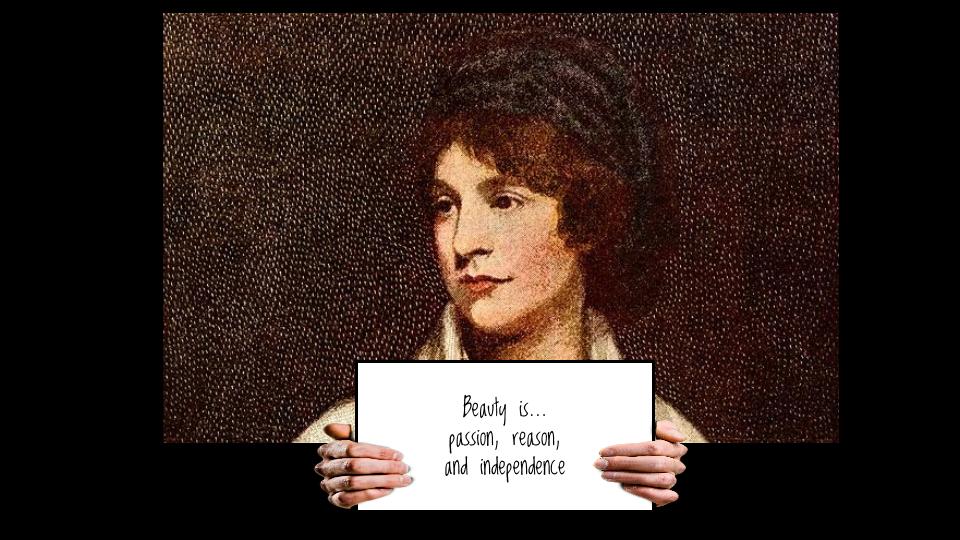

 OperationalizeBeauty